The First 40 Days After Birth in the UAE: What Every New Mother Needs to Know
The first forty days after giving birth, known across many Arab and South Asian cultures as al-nifas or the postpartum confinement period, are considered some of the most significant in a woman’s life. In the UAE, this tradition is deeply respected, blending generations of wisdom with the realities of modern family life. Yet for many new mothers, especially those living far from extended family, this period can feel isolating, confusing, and physically demanding all at once.
Understanding what your body is going through, what warning signs to watch for, and what kind of support is available in the UAE can make an enormous difference to how you experience these early weeks.
Why the 40-Day Period Matters
The postpartum body undergoes profound changes in the weeks following delivery. The uterus gradually contracts back to its original size, hormone levels shift dramatically, and the body begins recovering from what is, regardless of how smooth the birth, a major physical event. Whether you had a vaginal delivery or a caesarean section, rest during this period is not optional. It is a medical necessity.
In Emirati tradition, new mothers are encouraged to remain at home, eat warm and nourishing foods, and avoid strenuous physical activity. Many families bring in support from mothers, sisters, and mothers-in-law to handle daily household tasks so the new mother can focus entirely on healing and feeding her baby. For expat families living in Dubai and Abu Dhabi without that nearby support network, replicating this kind of environment takes intentional planning, ideally done before the baby even arrives.
Physical Recovery: What to Expect and What to Watch For
The first two weeks postpartum carry the highest risk of complications, and new mothers should be aware of the signs that require prompt medical attention. These include very heavy bleeding that soaks more than one pad per hour, foul-smelling discharge, fever above 38 degrees Celsius, redness or swelling around any wound site, severe headaches, or sudden swelling in the legs.
Women who have delivered via caesarean section face a longer and more structured recovery. They are managing a significant abdominal wound while simultaneously caring for a newborn, which is an enormous physical challenge. Recovery after a C-section closely mirrors post operative care in terms of what the body needs: consistent rest, wound monitoring, pain management, and professional guidance to avoid complications such as infection or hernia.
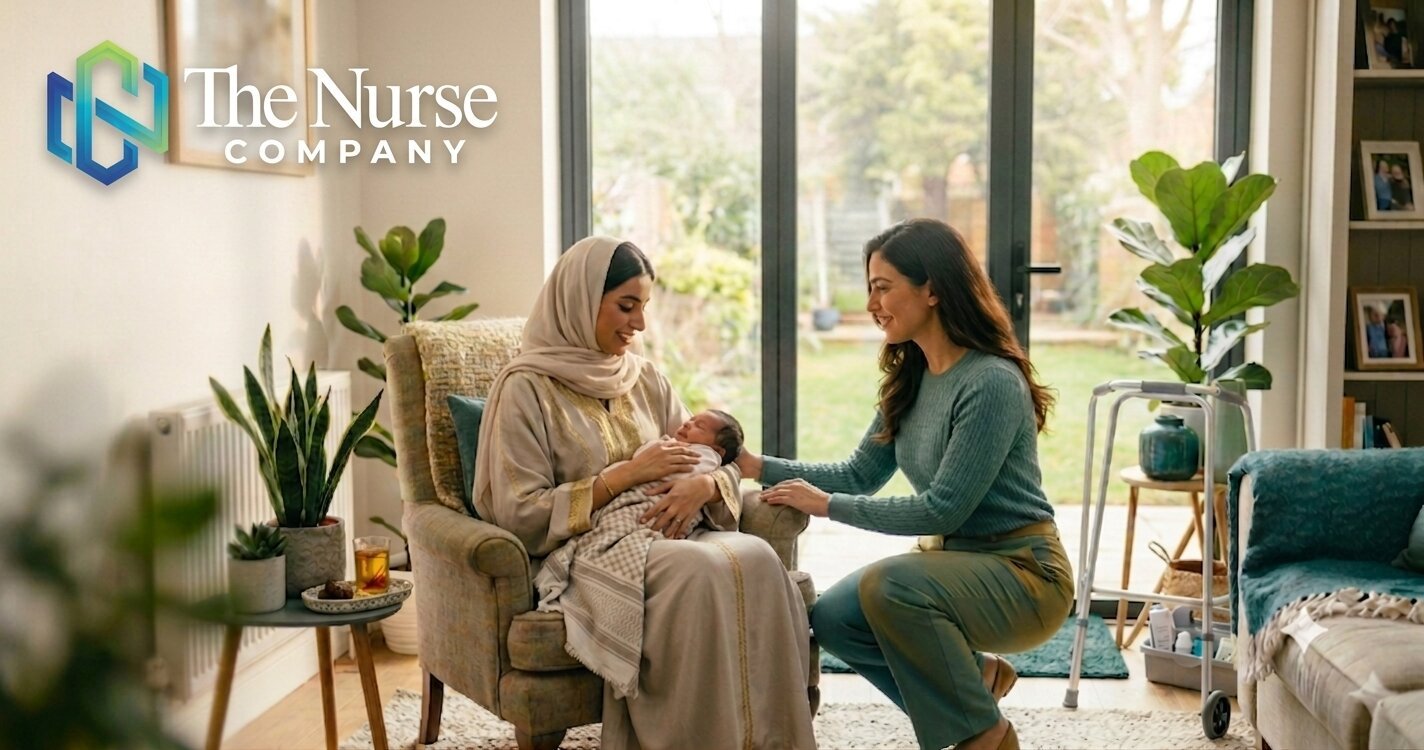
Having a Private nurse at home during these first critical weeks allows for proper wound assessment, medication support, and early identification of any concerns before they become more serious. This kind of professional presence is not a luxury reserved for complicated cases. It is a practical and evidence-supported way to recover safely and confidently.
Breastfeeding: The Reality Nobody Prepares You For
One of the most common things new mothers say is that they were not prepared for how physically and emotionally demanding breastfeeding would be. Latching difficulties, nipple pain, engorgement, mastitis, and concerns about milk supply are all extremely common in the early weeks, yet many mothers feel they are the only ones struggling.
The reality is that breastfeeding is a learned skill for both mother and baby, and having skilled support in those first few days makes a significant difference to long-term success. A nurse or midwife with lactation training visiting at home can address positioning issues, assess for tongue tie, and provide the kind of hands-on guidance that is difficult to replicate through online videos or phone calls.
If breastfeeding does not work out despite your efforts, that is also a valid outcome. Fed, healthy, and rested is always the priority.
Sleep Deprivation and Mental Health
Sleep deprivation in the newborn stage is not simply tiring. It impairs judgment, slows physical healing, and significantly increases the risk of postnatal anxiety and depression. New mothers frequently underestimate how much the loss of continuous sleep affects their mood, patience, and sense of self.
Postnatal depression affects approximately one in seven mothers globally, and rates in the UAE are not significantly different. It can present as persistent sadness, emotional numbness, difficulty bonding with the baby, or intrusive anxious thoughts. Many mothers in the region still struggle in silence due to cultural stigma or a fear of being seen as unable to cope.
If you are feeling persistently low, detached, or overwhelmed beyond the first week or two, please speak with your obstetrician or a mental health professional. Early support makes recovery significantly faster and more complete.
Building a Support System in the UAE
For families without nearby relatives, creating a reliable support system requires forward planning. The good news is that the UAE has a growing range of services specifically designed to support new mothers in the postpartum period.
Consider arranging the following before your due date:
- Professional home nursing visits for the first one to two weeks, particularly following a caesarean delivery
- Meal preparation support, whether through a meal delivery service or a coordinated schedule among friends and colleagues
- A trusted babysitting service in Dubai for the later weeks of the postpartum period, when you need a few hours of uninterrupted sleep or need to attend a medical follow-up without bringing a newborn along
- A paediatrician who offers home visits, which a growing number of clinics across Dubai now provide
- A lactation consultant or postpartum doula if breastfeeding support is a priority
Organisations like The Nurse Company exist specifically to fill this gap, offering trained healthcare professionals who come directly to your home. This removes the need to travel with a newborn, organise childcare for older siblings, or push through recovery faster than your body is ready for.
Nourishment, Rest, and Traditional Wisdom
Across Emirati, Indian, Filipino, and broader Arab expat communities in the UAE, traditional postpartum foods share a consistent theme: warmth, nourishment, and ingredients believed to support healing and milk production. Dates, fenugreek, warm lentil soups, bone broths, and ghee-rich dishes appear across almost every cultural tradition represented here.
While not every traditional remedy has a clinical evidence base, the underlying principles are sound. Eating warm, calorie-dense, nutrient-rich foods supports tissue repair. Staying warm and avoiding overexertion allows the body to direct its energy toward healing. Limiting social obligations in the early weeks protects both physical recovery and emotional reserves.
Try to sleep when the baby sleeps, accept every offer of practical help, and resist the pervasive social media pressure to return to your pre-pregnancy self within weeks. Your body has just completed something extraordinary, and it deserves time to recover fully.
A Final Word
The forty days after birth are not a countdown to getting back to normal. They are a period of genuine transformation, physically, emotionally, and in terms of your identity and your family’s rhythm. Treating this period with the care and seriousness it deserves is not indulgent. It is wise.
Surround yourself with people who know what they are doing, communicate your needs clearly to your partner and support network, ask for professional help early rather than when you are already overwhelmed, and give yourself the grace to recover at your own pace.