What Is the Best Exercise? A Complete Beginner’s Guide to Getting Active
Many people ask, “What is the best exercise?” The truth is that there isn’t a single exercise that’s perfect for everyone. The best exercise depends on your age, fitness level, health conditions, lifestyle, and personal goals. For one person, walking may be the ideal way to improve heart health, while another may benefit more from strength training, swimming, or cycling. The most effective exercise is one that you enjoy, can perform safely, and can maintain consistently over time.
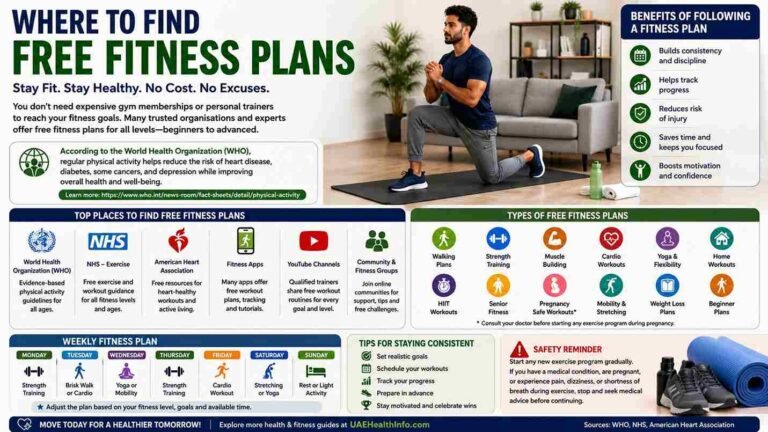
According to the World Health Organization (WHO), regular physical activity helps reduce the risk of heart disease, stroke, type 2 diabetes, certain cancers, and depression. It also improves sleep, strengthens muscles and bones, supports mental well-being, and enhances overall quality of life. Adults are generally encouraged to achieve at least 150 minutes of moderate-intensity physical activity each week, along with muscle-strengthening activities on two or more days. Following these recommendations can provide significant long-term health benefits.
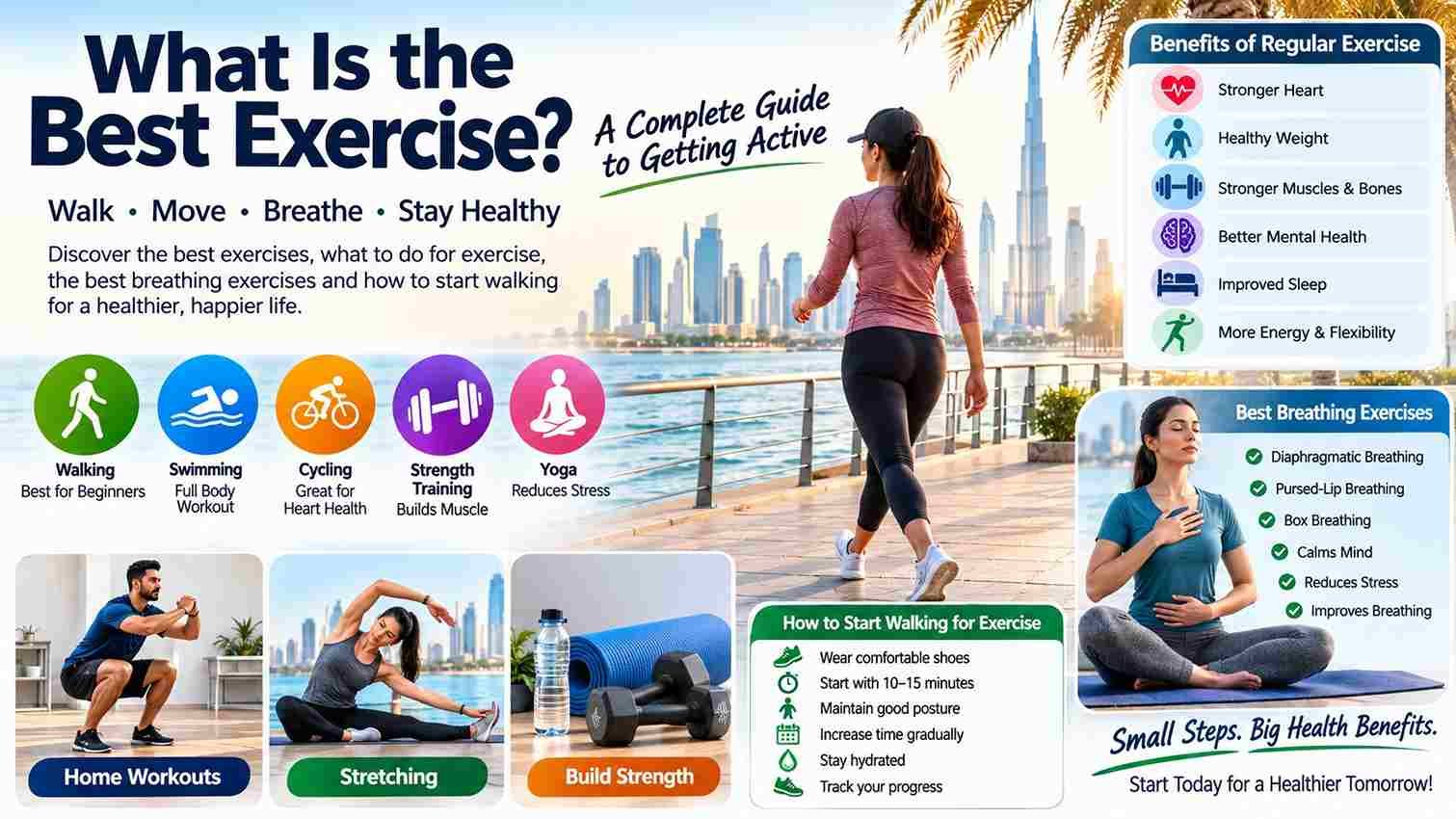
If you’re wondering what to do for exercise, looking for the best breathing exercise, or trying to learn how to start walking for exercise, this comprehensive guide will help you understand the benefits of different activities and how to build a safe, sustainable fitness routine.
Medical Disclaimer: This article is for educational purposes only and should not replace professional medical advice. If you have a chronic medical condition, are pregnant, recovering from surgery, or have concerns about starting an exercise programme, consult a qualified healthcare professional before beginning.
Quick Facts About Exercise
| Information | Details |
|---|---|
| Main Topic | Best Exercise for Overall Health |
| Suitable For | Beginners to advanced fitness levels |
| Equipment | None to optional |
| Recommended Activity | At least 150 minutes of moderate physical activity per week (follow official guidance) |
| Exercise Types | Cardio, strength, flexibility, balance |
| Best Beginner Exercise | Walking |
| Additional Practice | Stretching and breathing exercises |
| Safety | Increase activity gradually |
What Is the Best Exercise?
There is no single exercise that is best for every person. Instead, the ideal exercise is one that matches your fitness level, supports your health goals, and fits into your daily routine.
Health experts generally recommend combining different types of exercise because each offers unique benefits.
Walking
Walking is often considered one of the best exercises for beginners because it is simple, free, and suitable for most healthy adults.
Regular walking can help:
- Improve heart health
- Support weight management
- Strengthen leg muscles
- Increase stamina
- Improve mood
- Reduce stress
- Support healthy blood pressure
Walking also requires little equipment beyond comfortable shoes, making it one of the easiest ways to become more active.
Swimming
Swimming provides a full-body workout while placing minimal stress on the joints.
It may be particularly suitable for:
- Older adults
- People with joint discomfort
- Individuals recovering from certain injuries (with medical advice)
- Those seeking low-impact exercise
Swimming improves cardiovascular fitness, muscle strength, and flexibility.
Cycling
Cycling is another excellent aerobic activity.
Benefits include:
- Improved heart health
- Stronger leg muscles
- Better endurance
- Reduced impact on the joints compared with some high-impact activities
Cycling can be performed outdoors or on a stationary exercise bike.
Strength Training
Strength training involves exercises that improve muscle strength and endurance.
Examples include:
- Bodyweight exercises
- Resistance bands
- Dumbbells
- Weight machines
Strength training supports:
- Muscle development
- Bone health
- Balance
- Everyday functional movement
Adults are generally encouraged to include muscle-strengthening activities at least twice each week.
Yoga
Yoga combines movement, flexibility, balance, and breathing exercises.
Regular practice may help:
- Improve flexibility
- Reduce stress
- Enhance balance
- Promote relaxation
- Improve posture
Many beginner-friendly yoga routines require little equipment and can be performed at home.
Stretching
Stretching helps maintain flexibility and supports healthy movement.
Benefits include:
- Reduced muscle stiffness
- Improved range of motion
- Better posture
- Preparation for physical activity
Stretching is especially useful after long periods of sitting.
Why Regular Exercise Matters
Physical activity benefits nearly every system in the body.
Supports Heart Health
Regular exercise strengthens the heart, improves circulation, and supports healthy blood pressure and cholesterol levels.
Helps Manage Weight
Exercise burns energy and helps maintain a healthy body weight when combined with balanced nutrition.
Builds Strong Muscles and Bones
Weight-bearing and resistance exercises strengthen muscles while helping maintain healthy bones.
Improves Mental Well-Being
Exercise stimulates the release of chemicals that support mood and may help reduce stress and anxiety.
Many people also report improved confidence and better emotional well-being after becoming more physically active.
Promotes Better Sleep
Regular physical activity is associated with improved sleep quality for many adults.
Avoid vigorous exercise immediately before bedtime if it interferes with your ability to fall asleep.
Improves Balance and Coordination
Activities such as yoga, strength training, and balance exercises help reduce the risk of falls, particularly in older adults.
Increases Energy Levels
Although exercise requires energy, regular activity often helps people feel more energetic throughout the day by improving cardiovascular fitness and overall endurance.
What to Do for Exercise
If you’re unsure what to do for exercise, start with activities that are simple, enjoyable, and appropriate for your current fitness level.
Walking
Walking remains one of the easiest ways to become active.
Aim to walk at a comfortable pace and gradually increase your duration as your fitness improves.
Home Workouts
Home workouts are convenient and often require little or no equipment.
Popular beginner exercises include:
- Squats
- Wall push-ups
- Glute bridges
- Step-ups
- Planks
- Marching in place
Resistance Training
Adding resistance exercises two or three times each week helps improve muscle strength and supports healthy ageing.
Stretching Sessions
Gentle stretching can improve flexibility and reduce stiffness, especially if you spend long hours sitting at work.
Stair Climbing
Using stairs instead of elevators provides an effective cardiovascular workout while strengthening the leg muscles.
Dancing
Dancing is an enjoyable way to improve fitness, coordination, and cardiovascular health while making exercise feel less like a chore.
Recreational Sports
Activities such as badminton, tennis, football, basketball, or paddle sports provide excellent opportunities to stay active while enjoying time with family or friends.
Best Home Exercises for Beginners
You don’t need expensive gym equipment to improve your fitness. Many effective exercises use only your body weight and can be performed at home with very little space. These exercises help build strength, improve balance, and increase endurance while allowing you to exercise at your own pace.
Before starting, spend 5–10 minutes warming up with light movements such as marching in place, shoulder rolls, arm circles, or gentle stretching.
Squats
Squats strengthen the muscles in your legs, hips, and core.
How to perform a squat:
- Stand with your feet about shoulder-width apart.
- Keep your chest up and your back straight.
- Bend your knees and lower your hips as though sitting in a chair.
- Push through your heels to return to the starting position.
- Repeat 10–15 times.
If you’re new to exercise, use a sturdy chair behind you for support.
Push-Ups
Push-ups strengthen the chest, shoulders, arms, and core.
Beginners can start with:
- Wall push-ups
- Incline push-ups using a table
- Knee push-ups
As your strength improves, progress to standard push-ups.
Lunges
Lunges improve balance while strengthening the legs and hips.
To perform a basic lunge:
- Step forward with one leg.
- Lower both knees comfortably.
- Push back to the starting position.
- Repeat with the opposite leg.
Move slowly and keep your upper body upright throughout the exercise.
Planks
Planks strengthen the abdominal muscles, lower back, and shoulders.
For beginners:
- Hold for 10–20 seconds.
- Maintain a straight line from your shoulders to your heels.
- Avoid letting your hips sag.
Gradually increase the duration as your core strength improves.
Glute Bridges
This exercise targets the hips, glutes, and lower back.
How to perform:
- Lie on your back with your knees bent.
- Keep your feet flat on the floor.
- Lift your hips until your body forms a straight line.
- Hold briefly before lowering slowly.
Repeat 10–15 times.
Step-Ups
Using a stable step or low platform:
- Step up with one foot.
- Bring the other foot up.
- Step back down carefully.
- Repeat on both sides.
Step-ups improve cardiovascular fitness while strengthening the legs.
Bird-Dog Exercise
Bird-dog exercises improve balance and core stability.
Steps:
- Begin on your hands and knees.
- Extend one arm forward.
- Extend the opposite leg backward.
- Hold for a few seconds.
- Return to the starting position and switch sides.
Wall Sits
Wall sits strengthen the thighs and improve muscular endurance.
How to do them:
- Lean against a wall.
- Slide down until your knees are comfortably bent.
- Hold for 15–30 seconds.
- Return to standing.
Repeat several times as tolerated.
What Is the Best Breathing Exercise?
Breathing exercises are simple techniques that help you become more aware of your breathing pattern. They are commonly used to promote relaxation, reduce stress, and improve breathing efficiency during everyday activities and exercise.
While breathing exercises can support overall well-being, they are not a substitute for medical treatment. If you have persistent breathing difficulties or an underlying lung condition, seek advice from a qualified healthcare professional.
Diaphragmatic Breathing
Also called belly breathing, diaphragmatic breathing encourages the diaphragm—the primary muscle used for breathing—to work more effectively.
How to Practise Diaphragmatic Breathing
- Sit comfortably or lie on your back.
- Place one hand on your chest and the other on your abdomen.
- Slowly breathe in through your nose.
- Allow your abdomen to rise while keeping your chest relatively still.
- Breathe out slowly through your mouth.
- Repeat for 5–10 minutes.
Practising this technique daily may help promote relaxation and improve awareness of your breathing.
Pursed-Lip Breathing
Pursed-lip breathing slows your breathing rate and may help you feel more in control of your breathing during physical activity.
Steps
- Inhale slowly through your nose.
- Purse your lips as though gently blowing out a candle.
- Exhale slowly through your pursed lips.
- Make the exhalation slightly longer than the inhalation.
- Repeat several times.
This technique is often recommended by healthcare professionals for individuals with certain respiratory conditions, but it can also be used by healthy individuals to encourage slower, controlled breathing.
Box Breathing
Box breathing is a simple method often used to improve concentration and promote relaxation.
Steps:
- Inhale through your nose for four seconds.
- Hold your breath for four seconds.
- Exhale slowly through your mouth for four seconds.
- Pause for another four seconds.
- Repeat the cycle for several minutes.
When Should You Practise Breathing Exercises?
Breathing exercises can be helpful:
- Before exercise as part of a warm-up.
- After exercise during recovery.
- During periods of stress.
- Before bedtime to promote relaxation.
- While practising yoga or meditation.
How to Start Walking for Exercise
Walking is one of the safest and most accessible forms of physical activity. It requires no special skills, minimal equipment, and can be adjusted to suit almost any fitness level.
If you’ve been inactive for a while, begin slowly and gradually build your walking routine over several weeks.
Choose Comfortable Walking Shoes
Supportive footwear helps reduce strain on your feet, ankles, and knees. Choose shoes that fit well and provide good cushioning.
Start with Short Walks
Aim for 10–15 minutes at a comfortable pace, three to five days per week. As your fitness improves, gradually increase the duration before increasing your speed.
Maintain Good Posture
While walking:
- Keep your head up.
- Look ahead rather than down.
- Relax your shoulders.
- Engage your core muscles gently.
- Allow your arms to swing naturally.
Good posture improves efficiency and helps reduce unnecessary strain.
Increase Your Pace Gradually
Once you can comfortably walk for 20–30 minutes, begin adding short periods of brisk walking. You should be breathing a little faster but still able to hold a conversation.
Warm Up and Cool Down
Begin each walk with a few minutes of slow walking and finish by reducing your pace before performing gentle stretches for your calves, thighs, and hips.
Stay Hydrated
Drink water before and after your walk, particularly in hot weather. If you’re exercising outdoors in the UAE, try to walk during the cooler parts of the day—such as early morning or after sunset—and wear lightweight clothing, sunscreen, and a hat when appropriate.
Track Your Progress
Monitoring your activity can help keep you motivated. You can track:
- Walking time
- Distance covered
- Daily steps
- Weekly activity goals
Many smartphones and fitness trackers include built-in step counters that make it easy to monitor your progress.
Four-Week Beginner Walking Plan
| Week | Goal |
|---|---|
| Week 1 | Walk 10–15 minutes, 5 days per week at a comfortable pace. |
| Week 2 | Increase to 20 minutes and include short periods of brisk walking. |
| Week 3 | Walk 25–30 minutes most days of the week, maintaining good posture and a steady pace. |
| Week 4 | Aim for 30–40 minutes of walking on at least five days per week. Increase speed gradually if comfortable. |
Remember that everyone progresses at a different pace. Listen to your body and adjust your routine if needed.
Weekly Beginner Exercise Routine
A balanced exercise routine includes aerobic activity, muscle-strengthening exercises, flexibility training, and adequate rest. If you’re just getting started, you don’t need to exercise intensely every day. Building a sustainable routine is far more important than trying to do too much too quickly.
Here’s an example of a beginner-friendly weekly plan:
| Day | Activity |
|---|---|
| Monday | 20–30-minute brisk walk + gentle stretching |
| Tuesday | Full-body bodyweight strength exercises |
| Wednesday | 30-minute walk or light cycling |
| Thursday | Yoga, flexibility, and breathing exercises |
| Friday | Strength training + short walk |
| Saturday | Walking, swimming, or another enjoyable activity |
| Sunday | Rest day or gentle stretching |
This schedule can be adjusted based on your fitness level, work routine, and personal preferences.
How Much Exercise Do You Need?
The amount of exercise you need depends on your age, overall health, and fitness goals. For most healthy adults, international health organisations recommend aiming for:
- At least 150 minutes of moderate-intensity aerobic activity each week, or
- 75 minutes of vigorous-intensity activity, or an equivalent combination.
- Muscle-strengthening activities involving major muscle groups on two or more days each week.
You don’t have to complete all of your exercise at once. Even sessions of 10–30 minutes can contribute to your weekly activity goals when performed regularly.
Tips for Staying Motivated
Starting an exercise routine is one thing—maintaining it is another. These practical strategies can help you stay consistent.
Set Realistic Goals
Begin with small, achievable goals, such as walking for 15 minutes three times a week. As your fitness improves, gradually increase the duration or intensity.
Choose Activities You Enjoy
Exercise doesn’t have to mean going to a gym. Walking, dancing, swimming, cycling, hiking, or playing recreational sports all count as physical activity. Choosing something you enjoy increases the likelihood that you’ll stick with it.
Schedule Your Workouts
Treat exercise like an important appointment. Add it to your calendar and aim to exercise at the same time each day to help build a routine.
Exercise With Others
Working out with friends, family members, or colleagues can make exercise more enjoyable and provide motivation to stay active.
Track Your Progress
Keeping a record of your workouts can help you see improvements over time. You might track:
- Walking distance
- Daily step count
- Workout duration
- Strength improvements
- Flexibility goals
Celebrating small achievements can help maintain motivation.
Common Exercise Mistakes
Avoiding these common mistakes can help reduce the risk of injury and improve your results.
Doing Too Much Too Soon
One of the biggest mistakes beginners make is exercising too intensely during the first few weeks. This can lead to excessive soreness or injury.
Increase the duration and intensity of your workouts gradually.
Skipping the Warm-Up
A proper warm-up prepares your muscles and joints for physical activity.
Spend 5–10 minutes performing light movements before more demanding exercise.
Ignoring Proper Technique
Using poor exercise form may increase your risk of injury.
If you’re unsure how to perform an exercise, learn from qualified fitness professionals or begin with simpler variations before progressing.
Not Allowing Recovery Time
Your muscles recover and become stronger during rest.
Include rest days in your weekly routine and aim for sufficient sleep each night.
Comparing Yourself With Others
Everyone progresses at a different pace. Focus on your own improvement rather than comparing your progress with others.
Being Inconsistent
Doing one long workout occasionally is less beneficial than exercising regularly throughout the week.
Small, consistent efforts produce better long-term results than occasional intense sessions.
Safety Note
Exercise is generally safe and beneficial for most people when performed correctly. Begin any new fitness programme gradually, use proper technique, and allow time for recovery between workouts. Stop exercising immediately and seek medical attention if you experience chest pain, severe shortness of breath, fainting, dizziness, or sudden severe joint or muscle pain. If you have heart disease, diabetes, high blood pressure, chronic lung disease, arthritis, or another long-term medical condition, consult your healthcare provider before starting a new exercise programme.
For people living in the UAE, outdoor exercise should be planned carefully during periods of extreme heat. Walking or jogging is generally safer during the early morning or evening, and staying hydrated is essential, especially during the summer months.
Frequently Asked Questions
1. What is the best exercise for overall health?
There is no single best exercise for everyone. A combination of aerobic activity, strength training, flexibility exercises, and balance training provides the greatest overall health benefits.
2. What exercise should beginners start with?
Walking is often recommended for beginners because it is simple, low-cost, and easy to adjust according to individual fitness levels.
3. Is walking enough exercise?
Walking can be an excellent form of aerobic exercise. For overall fitness, it is also beneficial to include strength-training and flexibility exercises each week.
4. What is the best breathing exercise?
Diaphragmatic breathing is one of the most commonly recommended breathing techniques for relaxation and improving breathing awareness. Pursed-lip breathing and box breathing are also popular methods.
5. How long should I walk each day?
Many beginners start with 10–15 minutes and gradually increase to 30 minutes or more on most days of the week, depending on their fitness level and health goals.
6. Can I exercise at home?
Yes. Many effective exercises—including squats, push-ups, lunges, planks, and stretching—can be performed safely at home with little or no equipment.
7. How often should I exercise?
Aim to be physically active on most days of the week while including strength-training exercises at least twice weekly and allowing time for recovery.
8. What should I eat before exercising?
A light meal or snack containing carbohydrates and some protein may help provide energy for exercise. Stay hydrated before, during, and after physical activity.
9. How long does it take to notice results?
Many people notice improvements in energy levels, mood, and endurance within a few weeks of regular exercise. Strength and body composition changes generally take longer and depend on consistency, nutrition, and individual factors.
10. Should I exercise every day?
Light physical activity, such as walking or stretching, can be performed daily. More demanding workouts should be balanced with adequate recovery to allow muscles to repair and strengthen.
Conclusion
If you’ve ever wondered what is the best exercise, the answer is simple: it’s the one that you can perform safely, enjoy, and maintain consistently. Walking, strength training, stretching, yoga, cycling, swimming, and breathing exercises all offer valuable health benefits. Rather than searching for a single “perfect” workout, focus on building a balanced routine that includes cardiovascular activity, muscle-strengthening exercises, flexibility training, and adequate rest.
If you’re unsure what to do for exercise, start with small, achievable goals. A short daily walk, a few bodyweight exercises at home, and regular stretching can make a significant difference over time. Practising breathing exercises and gradually increasing your activity level can also improve both your physical and mental well-being.
At UAEHealthInfo.com, we’re committed to providing trusted, evidence-based health information to help people across the UAE make informed decisions about fitness, wellness, nutrition, and preventive healthcare. By staying active and following reliable health guidance, you can build habits that support a healthier and more active lifestyle for years to come.