Arab Health 2026 and Health Insurance in the UAE
The healthcare sector in the United Arab Emirates continues to grow rapidly, driven by innovation, advanced medical facilities, and strong health insurance systems. One of the biggest global healthcare events supporting this growth is Arab Health. The upcoming Arab Health 2026 will again bring together medical professionals, healthcare companies, insurers, and policymakers from around the world.
At the same time, health insurance plays a central role in the UAE’s healthcare system. Almost every resident in the UAE must have valid medical insurance, ensuring access to hospitals, clinics, medicines, and preventive healthcare services.
This article explains everything you need to know about Arab Health 2026, health insurance in the UAE, coverage systems, regulations, and how these two important elements shape the future of healthcare in the country.
What is Arab Health 2026?
Arab Health is the largest healthcare exhibition and congress in the Middle East. It takes place annually at the Dubai World Trade Centre and attracts tens of thousands of healthcare professionals.
Arab Health 2026 is expected to include:
• Medical equipment manufacturers
• Healthcare technology companies
• Pharmaceutical companies
• Hospital administrators
• Health insurance providers
• Government healthcare regulators
The exhibition focuses on showcasing the latest innovations in healthcare technology, digital health solutions, hospital equipment, medical devices, and insurance solutions.
For healthcare professionals in the UAE, Arab Health is one of the most important events to understand future trends in healthcare delivery and insurance coverage systems.
Why Arab Health 2026 is Important for the UAE Healthcare System
The UAE healthcare sector is expanding quickly due to population growth, medical tourism, and government investment. Events like Arab Health support this expansion in several ways.
1. Healthcare Technology Innovation
At Arab Health 2026, companies introduce advanced medical technologies such as:
• AI-powered diagnostic tools
• Robotic surgery systems
• Digital patient record systems
• Telemedicine platforms
• Smart hospital infrastructure
These technologies improve healthcare efficiency and also influence health insurance coverage policies, as insurers adapt to new medical treatments.
2. Medical Collaboration
Healthcare professionals from more than 150 countries attend Arab Health. This allows UAE hospitals to collaborate internationally and adopt global best practices.
3. Policy and Healthcare Regulation
Government health authorities use the event to discuss topics such as:
• Insurance coverage standards
• Patient safety regulations
• Medical licensing systems
• Healthcare quality improvement
These discussions directly affect how health insurance works in the UAE.
Overview of Health Insurance in the UAE
Health insurance is mandatory for residents in most UAE emirates, ensuring access to medical services.
Employers usually provide insurance coverage for employees, while individuals may purchase plans for themselves and their families.
Major benefits of UAE health insurance include:
• Access to hospitals and clinics
• Doctor consultations
• Emergency treatment
• Diagnostic tests
• Prescription medications
• Preventive health checkups
Without valid insurance, accessing private healthcare services in the UAE can become very expensive.
Health Insurance Regulations in the UAE
Health insurance policies are regulated by government authorities in each emirate.
Key regulators include:
• Dubai Health Authority
• Department of Health – Abu Dhabi
• Ministry of Health and Prevention
These authorities establish rules regarding:
• Minimum insurance coverage
• Approved healthcare networks
• Insurance provider licensing
• Patient rights and protections
The goal is to ensure that every resident receives safe, reliable, and affordable healthcare services.
Types of Health Insurance in the UAE
Health insurance plans in the UAE generally fall into several categories.
Basic Health Insurance Plans
Basic plans are designed for lower-income workers and usually include:
• General practitioner consultations
• Emergency services
• Basic diagnostic tests
• Essential medications
These plans provide necessary healthcare access but may limit hospital networks.
Standard Health Insurance Plans
Standard plans offer broader coverage, including:
• Specialist consultations
• Advanced diagnostic tests
• Outpatient and inpatient treatment
• Maternity services
These plans are common for mid-level professionals.
Premium Health Insurance Plans
Premium plans provide extensive benefits, such as:
• International treatment coverage
• Access to top private hospitals
• Advanced surgeries
• Preventive wellness programs
These plans are often offered to executives or purchased privately.
Leading Health Insurance Companies in the UAE
The UAE insurance market includes many local and international providers offering health coverage.
Some of the well-known companies include:
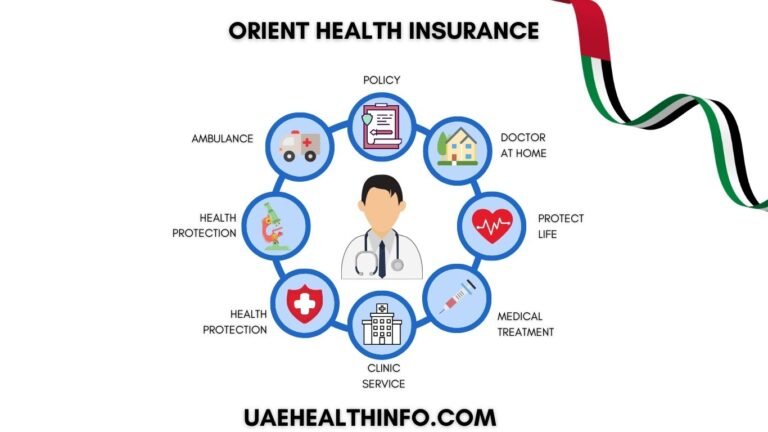
• Orient Insurance
• Daman Health Insurance
• AXA Gulf Insurance
• MetLife Gulf
• Oman Insurance Company
Each provider offers different plans depending on:
• budget
• hospital network
• coverage level
• family needs
Selecting the right insurance policy requires careful comparison of benefits and exclusions.
How Health Insurance Works in the UAE
The health insurance process typically follows these steps.
1. Insurance Enrollment
Residents receive insurance through:
• Employer-sponsored plans
• Individual insurance purchase
• Family coverage plans
2. Insurance Card
After enrollment, members receive a digital or physical insurance card used when visiting hospitals or clinics.
3. Network Hospitals
Insurance plans usually cover specific hospitals and clinics within their network.
Visiting an out-of-network hospital may require additional payment.
4. Co-payments
Many plans require a small co-payment, usually between 10% and 20% of treatment costs.
Health Insurance and Preventive Healthcare
One major focus of modern health insurance systems is preventive healthcare.
Many insurance providers now cover:
• Annual health checkups
• Vaccinations
• Chronic disease monitoring
• Wellness programs
Preventive care reduces long-term healthcare costs and improves public health outcomes.
Events like Arab Health promote these healthcare strategies through global knowledge sharing.
Arab Health 2026 and the Future of Health Insurance
Arab Health is not only about medical devices and hospitals—it also plays a role in shaping future insurance models.
Several important trends expected at Arab Health 2026 include:
Digital Health Insurance
Insurance companies are introducing:
• Mobile health insurance apps
• Digital claims processing
• Telemedicine coverage
• Online policy management
This makes healthcare access faster and easier for patients.
AI-Based Insurance Systems
Artificial intelligence is being used to:
• detect fraud
• predict healthcare risks
• automate claim approvals
These systems improve efficiency for both insurers and hospitals.
Personalized Insurance Plans
Insurance providers are beginning to offer personalized health coverage based on lifestyle, medical history, and risk profiles.
This allows customers to receive coverage tailored to their needs.
Importance of Health Insurance for UAE Residents
Living in the UAE without proper health insurance can create serious financial risks.
Medical treatment costs may include:
• Hospital admission fees
• Surgery costs
• Emergency treatment
• Diagnostic imaging
• Specialist consultations
Health insurance protects individuals from these unexpected expenses while ensuring access to quality medical care.
Health Insurance for Expats in the UAE
Since the majority of UAE residents are expatriates, health insurance is especially important for this group.
Most expatriates receive insurance through their employers. However, family members may require separate policies.
Key considerations for expats include:
• Coverage limits
• hospital network size
• maternity coverage
• international treatment options
Choosing the right insurance policy ensures access to reliable healthcare services throughout the UAE.
Role of Government in Strengthening Health Insurance
The UAE government continuously improves the healthcare system through:
• stricter insurance regulations
• expanded healthcare infrastructure
• digital health initiatives
• preventive healthcare programs
Government authorities also collaborate with global experts during events like Arab Health to adopt advanced healthcare strategies.
Medical Tourism and Insurance Growth
The UAE is becoming a leading medical tourism destination, especially in cities like Dubai and Abu Dhabi.
Patients travel to the UAE for treatments such as:
• cosmetic surgery
• orthopedic surgery
• fertility treatment
• advanced diagnostics
Medical tourism increases demand for international health insurance coverage and cross-border healthcare partnerships.
Arab Health events help promote the UAE as a global medical hub.
Conclusion
The UAE healthcare system continues to evolve through innovation, international collaboration, and strong insurance frameworks. Events like Arab Health play a major role in bringing together healthcare leaders, technology companies, hospitals, and insurance providers to shape the future of medicine.
At the same time, health insurance remains a critical pillar of healthcare access in the UAE, ensuring that residents and visitors receive quality medical treatment without financial hardship.
With the upcoming Arab Health 2026, the healthcare industry will likely introduce new technologies, smarter insurance systems, and improved healthcare services that will benefit patients across the UAE and the wider Middle East.