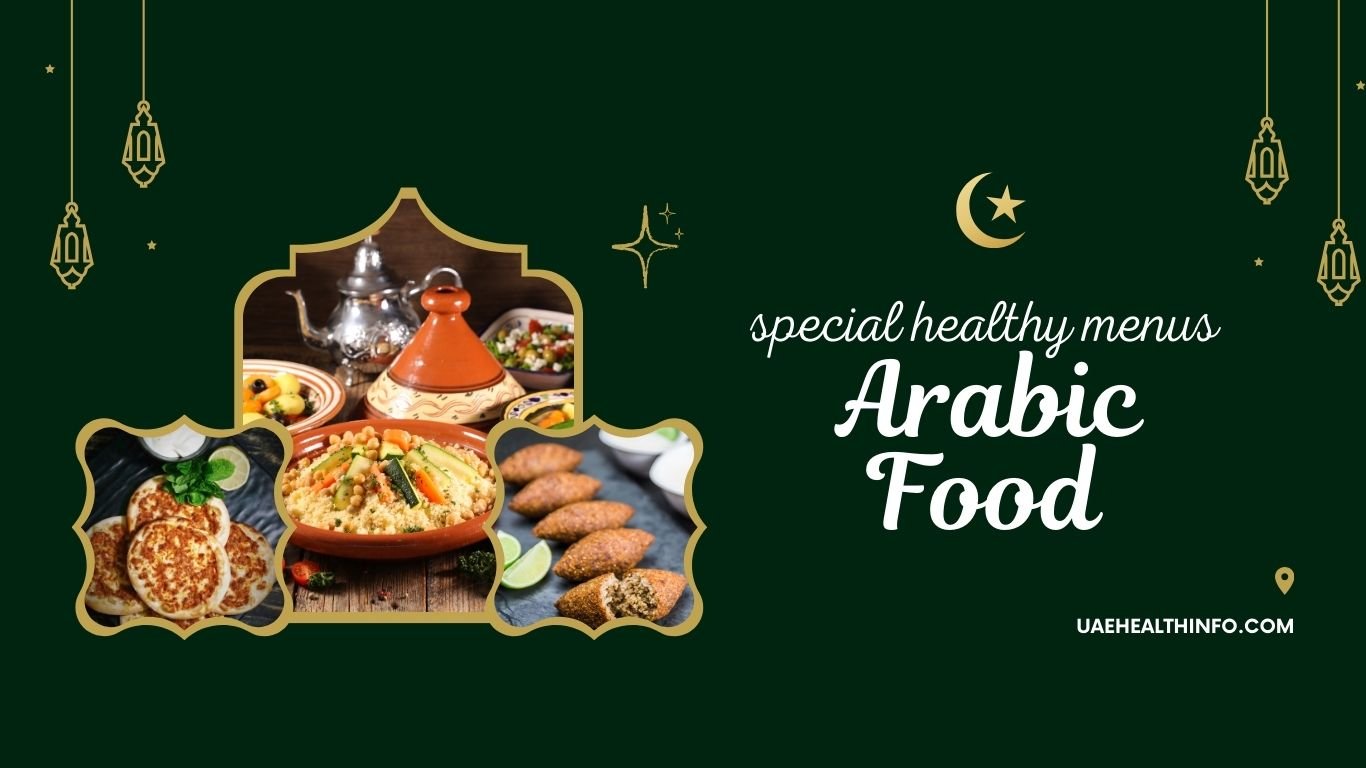
Here is a clear fact to start with. Many Arabic dishes are built on whole foods that support good health. Chickpeas, olive oil, yogurt, fresh herbs, grilled fish, and dates are everyday ingredients that provide fibre, healthy fats, probiotics, and micronutrients. The catch is how those ingredients are prepared and portioned. A plate of grilled fish and salad is inherently different from a deep-fried, heavy-cream version served with extra bread. This article looks at Arabic food through the lens of nutrition, cooking methods, and smart choices you can use in everyday life in the UAE.
Why Arabic food is a good base for healthy eating
Arabic cuisine shares a lot with Mediterranean eating patterns, which are linked to lower rates of heart disease and better metabolic health. Staples include legumes like chickpeas and lentils, vegetables in salads such as tabbouleh and fattoush, fermented dairy like laban and labneh, and olive oil. These ingredients offer fibre, plant protein, calcium, and monounsaturated fats. For people in the UAE who shop at local souqs and supermarkets, these foods are accessible year round, and they suit both family meals and quick weekday cooking.
Key nutrients and common ingredients to embrace
When you look at Arabic menus with health in mind, several positive patterns stand out. Chickpeas and lentils are low-cost, high-fibre sources of protein that stabilise blood sugar. Olive oil provides monounsaturated fats that support heart health. Yogurt and labneh contain probiotics and calcium, good for gut and bone health. Fresh herbs and spices add flavour without salt. Dates are energy-dense but nutrient-rich, offering potassium, magnesium, and antioxidants, making them a traditional, quick source of fuel for Suhoor and Iftar.
Watch for preparation and portion traps
Traditional ingredients can become less healthy through cooking techniques and portion choices. Common pitfalls include large servings of white bread, fried pastries and falafel, fatty cuts of lamb prepared in heavy sauces, and desserts loaded with honey or syrup. Sodium from pickles, preserved foods, and some restaurant dishes can also add up, which matters for blood pressure and kidney health. For people managing diabetes or weight, refined rice-heavy dishes and sweet desserts require measured portions and balanced pairing with vegetables and protein.
Health-first swaps and cooking tips that keep the flavour
You do not need to sacrifice authenticity to make Arabic meals healthier. Small changes keep the familiar tastes while improving nutrition.
- Choose grilling, baking, or broiling instead of deep frying. Shish tawook, grilled fish, and kofta cook beautifully on a grill, keeping flavour and lowering fat.
- Use legumes as the centrepiece. A bowl of ful medames or a chickpea salad with tomatoes, cucumbers, parsley, lemon, and a drizzle of olive oil makes a filling meal.
- Replace some white rice with brown rice, bulgur, or freekeh. These whole grains increase fibre and lower the meal glycemic load.
- Make hummus with less tahini or add calcium-rich yogurt to reduce fat density while keeping creaminess.
- Swap fried falafel for oven-baked versions or use a small amount of olive oil spray when pan frying.
- Choose leaner cuts of meat, trim visible fat, and balance a meat serving with generous salads or grilled vegetables.
- Use laban or plain yogurt as dressings and marinades to add protein and probiotics, rather than heavy cream sauces.
Portion sense and plate balance for daily meals
A practical approach for UAE lifestyles is to think in terms of plate balance. Aim for half your plate to be vegetables and salad, one quarter lean protein, and one quarter whole grains or starchy vegetables. Add a small portion of healthy fat such as olive oil or a handful of nuts. This visual method works well on a shared family table at home, in a cafeteria at work, or when ordering in from a restaurant.
Arabic food for special health needs
- For diabetes: Prioritise high-fibre legumes, whole grains, and vegetables. Monitor portions of staple carbs like rice and khubz. Pair carbohydrates with protein or fat to blunt blood sugar spikes.
- For heart health: Focus on olive oil, fatty fish such as hammour or kingfish, nuts, and plant-based protein. Reduce saturated fats from fatty lamb cuts and deep-fried items.
- For weight loss: Increase vegetable portions, keep servings of rice and bread modest, and select grilled rather than fried dishes. Soups based on lentils or tomato with a side salad are filling and lower in calories.
- For high blood pressure or kidney disease: Watch sodium from preserved foods, pickles, cheeses, and processed snacks. Freshly prepared dishes with lemon, garlic, and herbs can replace salt for flavour.
Practical meal ideas with Arabic flavours
Start your day with a filling Suhoor by combining whole grain khubz or a small serving of freekeh with labneh, cucumbers, and a few dates. At lunch, choose a grain bowl with brown rice or bulgur, a portion of grilled chicken or fish, roasted vegetables, and a drizzle of tahini-lemon dressing. For dinner, try baked kibbeh made with lean beef or lamb, a fattoush salad heavy on greens and light on fried pita, and a small serving of baked eggplant stews. Snacks can include a handful of mixed nuts, carrot sticks with hummus, or a small serving of laban with fresh fruit.
Eating Arabic food during Ramadan and social events
Ramadan traditions and social gatherings are central to life in the UAE, so it is helpful to balance celebration with health. At Iftar, start with a bowl of soup or a small salad to break the fast gently. Dates are a traditional opener and provide quick energy, but keep portion sizes modest. When large family buffets or majlis spreads appear, aim to fill your plate with vegetables and grilled items first, then add small portions of richer dishes. Hydration between Iftar and Suhoor matters. Choose water and laban, and limit sugary juices and sodas.
Shopping and local sourcing in the UAE
The UAE offers excellent access to fresh produce and regional staples. Visit local souqs for fresh herbs, fish, dates, and spices. Supermarkets stock whole grains, canned legumes, and low-sodium options. Reading labels helps when choosing bottled tahini, canned chickpeas, and preserved items. Choose products with lower added salt and sugar when possible.
How to read Arabic restaurant menus with health in mind
Look for keywords like grilled, baked, roasted, or stewed, which usually indicate lower fat cooking methods. Words such as fried, deep-fried, crunchy, or loaded often signal higher oil or calorie content. Ask for sauces on the side. Request smaller portions of rice or extra salad in place of bread.
Where to find more UAE-focused guidance
For nutrition advice adapted to local lifestyles, check uaehealthinfo.com pages on Healthy Recipes, Diabetes and Nutrition, Heart Health, and Ramadan Nutrition. These resources include recipe adaptations, portion guides, and practical tips for local shoppers and families. If you have a chronic health condition, consult a qualified dietitian or your healthcare provider for personalised recommendations.
FAQ – Arabic food and health
Q: Is hummus healthy every day?
A: Hummus is a nutritious choice, providing plant protein and fibre from chickpeas and healthy fat from olive oil or tahini. Keep portions to about two to three tablespoons per serving, and pair hummus with vegetable sticks or whole grain khubz rather than large amounts of pita.
Q: Are dates bad for people with diabetes?
A: Dates are natural and nutrient-dense, but they are high in sugar and calories. People with diabetes can include dates in moderation, ideally paired with protein or fat to slow glucose absorption. Discuss portion sizes with your diabetes care team.
Q: Can I enjoy shawarma and stay healthy?
A: Yes, by choosing grilled chicken or lean meat, asking for less sauce, and pairing the sandwich with salad instead of extra bread. Opt for whole grain wraps when available, and avoid deep-fried accompaniments.
Q: What is a healthier version of falafel?
A: Oven-baked or shallow-pan-fried falafel using chickpea batter, with minimal oil, is healthier than deep-fried versions. Serve with a tahini-yogurt dip and salad.
Q: How should I handle sweets like baklava and knafeh?
A: Treat these as occasional indulgences. Enjoy small portions and share desserts at social gatherings. Balance dessert intake with higher vegetable and protein choices earlier in the meal.
Q: Is labneh or yogurt better?
A: Both are healthy. Plain yogurt offers probiotics and is versatile in cooking. Labneh is thicker, higher in protein per spoon, and makes a good spread. Choose plain varieties over sweetened ones.
Final note
Arabic food gives you a rich palette of flavours and ingredients that can support strong nutrition. The difference between a healthy meal and a heavy one often comes down to cooking method, portion size, and balance on the plate. Use local markets, traditional ingredients, and the simple swaps above to keep the taste you love and the health outcomes you need. For UAE-focused recipes, meal plans, and condition-specific advice, visit uaehealthinfo.com and explore our pages on Healthy Recipes, Heart Health, and Diabetes Nutrition.