Dubai Food Festival, Food Menu Trends, Class Food & Quality Foods – Complete UAE Guide
The UAE has positioned itself as one of the leading culinary destinations in the Middle East. From globally recognized food festivals to premium dining concepts and strict food quality standards, the country offers a dynamic and structured food ecosystem.
This comprehensive guide covers Dubai Food Festival, food menu trends, class food concepts, and quality foods in the UAE, explaining how they connect within the country’s hospitality, tourism, and retail landscape.
Dubai Food Festival
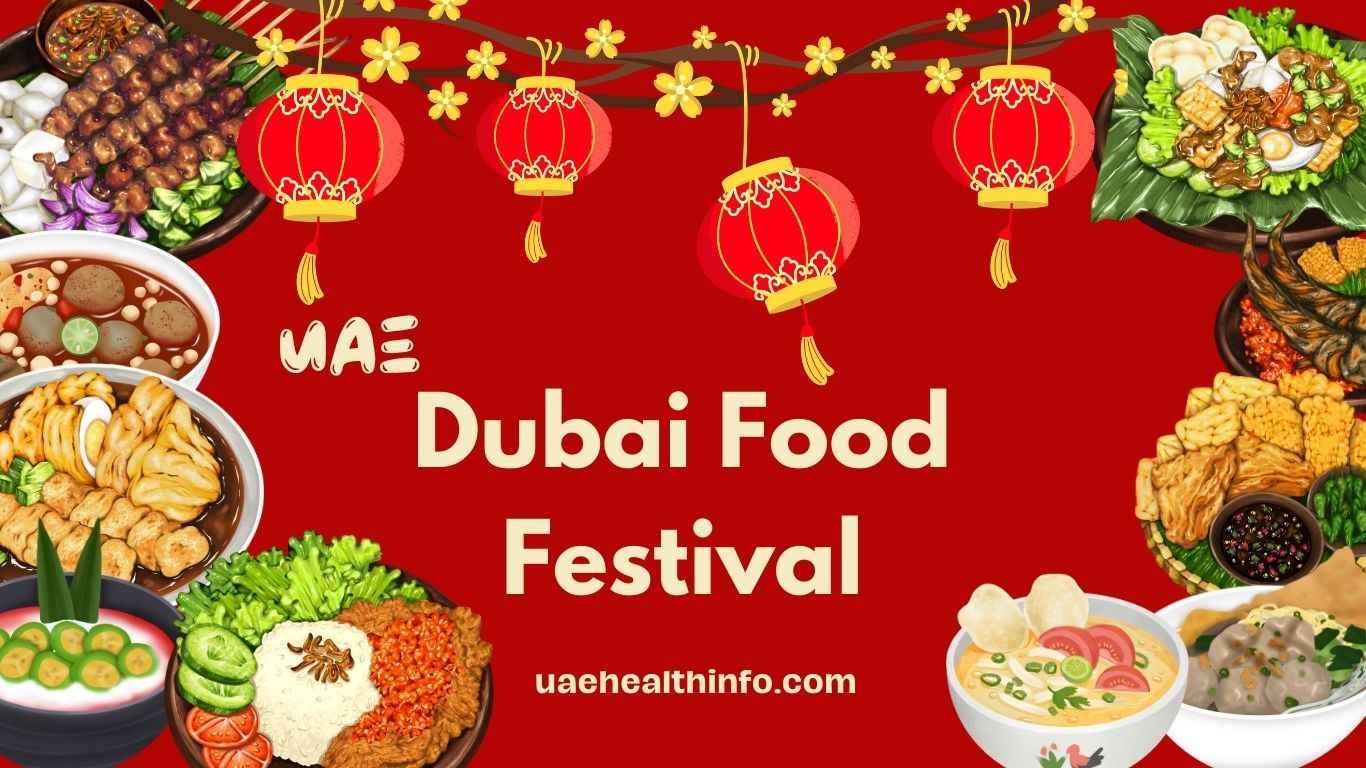
Dubai Food Festival is an annual culinary event organized to showcase Dubai’s diverse food scene. Launched by Dubai Festivals and Retail Establishment, the festival highlights local Emirati cuisine, international dining brands, street food, fine dining restaurants, and homegrown food businesses.
Purpose of Dubai Food Festival
The festival aims to:
- Promote Dubai as a global gastronomy hub
- Support local restaurants and chefs
- Encourage culinary tourism
- Highlight food innovation and sustainability
- Boost hospitality and retail sectors
Key Festival Features
Dubai Food Festival typically includes:
- Restaurant week promotions
- Chef-led dining experiences
- Beach canteens
- Food pop-ups
- Foodie events and workshops
- Exclusive tasting menus
Participating restaurants range from casual dining outlets to Michelin-recognized establishments.
Impact on the UAE Food Industry
The festival significantly increases:
- Restaurant reservations
- Tourism arrivals
- Food delivery demand
- Media exposure for new brands
It also influences seasonal menu innovation and pricing strategies across Dubai’s dining market.
Food Menu Trends in the UAE
A food menu is more than a list of dishes; it reflects culinary positioning, ingredient sourcing, and target customer segments. In the UAE, menus evolve rapidly due to global influences and multicultural demand.
1. Health-Focused Menus
Restaurants increasingly include:
- Calorie-counted dishes
- Keto and low-carb options
- Vegan and plant-based meals
- Gluten-free alternatives
- Protein-rich selections
Health transparency is becoming standard in many Dubai and Abu Dhabi restaurants.
2. Fusion Cuisine Menus
Dubai’s diverse population drives hybrid food concepts, such as:
- Japanese-Arabic fusion
- Indian-Mediterranean combinations
- Asian street food with Western presentation
Menus often emphasize creativity and Instagram-friendly presentation.
3. Seasonal and Limited Menus
During events like Dubai Food Festival, restaurants introduce:
- Limited-time tasting menus
- Chef collaboration dishes
- Seasonal ingredient-based meals
These menu variations help create urgency and increase customer engagement.
4. Digital & QR Code Menus
Digital menus are now standard in UAE restaurants. They provide:
- Multilingual accessibility
- Allergen information
- Real-time pricing updates
- Online ordering integration
Class Food – What It Means in the UAE Context
The term “class food” typically refers to premium-quality, aesthetically presented, and professionally curated dining experiences. In the UAE, this concept applies to:
- Fine dining restaurants
- Luxury hotel restaurants
- Chef-driven culinary venues
- High-end catering services
Class food emphasizes:
- Ingredient quality
- Artistic presentation
- Premium ambiance
- Structured service standards
- Curated wine or beverage pairings
Dubai’s luxury hospitality sector has elevated class food to international standards, often competing with global culinary capitals.
Quality Foods in the UAE
Food quality in the UAE is strictly regulated. Authorities ensure safety, hygiene, and compliance across the food supply chain.
Regulatory Oversight
Food establishments in Dubai are monitored by:
Dubai Municipality
This authority oversees:
- Food safety inspections
- Hygiene compliance
- Supplier approvals
- Import regulations
- Storage and temperature controls
Other emirates have equivalent regulatory bodies ensuring consistent national standards.
Quality Food Standards
Quality foods in the UAE are defined by:
- Safe sourcing
- Proper storage
- Expiry control
- Halal certification compliance
- Accurate labeling
Imported products must pass inspection before being sold in supermarkets or served in restaurants.
Supermarkets and Premium Food Retail
The UAE retail sector offers both mass-market and premium food selections.
Premium Grocery Segments Include:
- Organic produce
- Imported specialty cheeses
- Artisan bakery items
- International gourmet products
- Gluten-free and allergen-free goods
Dubai and Abu Dhabi host supermarkets that cater to high-end consumers seeking premium-quality food products.
Hospitality and Culinary Innovation
The UAE hospitality industry strongly influences food quality and menu innovation.
Luxury hotel brands invest heavily in:
- International chefs
- Signature restaurants
- Culinary research and development
- Themed dining concepts
Dubai’s global tourism profile encourages constant reinvention of menus and dining concepts.
Street Food vs Fine Dining
Dubai offers both ends of the culinary spectrum:
Street Food
- Affordable pricing
- Cultural authenticity
- Food truck concepts
- Festival pop-ups
Fine Dining
- Multi-course tasting menus
- Reservation-only dining
- Exclusive chef tables
- Premium pricing models
Both segments are highlighted during Dubai Food Festival, reflecting the city’s inclusive food ecosystem.
Sustainability and Ethical Sourcing
Food sustainability is gaining traction in the UAE.
Restaurants now focus on:
- Reducing food waste
- Locally sourced ingredients
- Sustainable seafood
- Eco-friendly packaging
These factors increasingly influence menu development and brand positioning.
Role of Tourism in Food Growth
Dubai’s tourism strategy positions food as a major attraction. Culinary experiences are integrated into:
- Travel packages
- Hotel promotions
- Global marketing campaigns
Dubai Food Festival serves as a strategic tourism driver rather than just a local food event.
Food Delivery & Digital Growth
Food delivery platforms have reshaped menu planning. Restaurants now design items specifically for delivery, ensuring:
- Packaging durability
- Temperature retention
- Travel-friendly plating
Digital ordering systems also allow real-time menu customization.
Food Pricing Structure in Dubai
Pricing varies significantly depending on:
- Location (mall, hotel, street)
- Brand positioning
- Ingredient quality
- Chef reputation
Dubai accommodates both budget dining and ultra-luxury gastronomy.
Cultural Diversity in UAE Food Scene
The UAE hosts residents from over 200 nationalities. This diversity results in:
- Authentic regional cuisines
- International franchise expansion
- Specialty ethnic supermarkets
- Cross-cultural food innovation
Menus are often multilingual to accommodate global residents and tourists.
Food Hygiene & Consumer Confidence
Strict inspection systems help maintain high food safety standards. Restaurants are subject to:
- Regular inspections
- Food safety training requirements
- HACCP compliance systems
Consumer trust is maintained through transparent hygiene ratings.
Economic Impact of Food Industry
The food and beverage sector in Dubai contributes significantly to:
- Retail revenue
- Tourism growth
- Employment
- Franchise expansion
Dubai Food Festival amplifies this impact annually by driving consumer spending.
Conclusion
Dubai’s food ecosystem is built on four interconnected pillars:
- Dubai Food Festival as a global culinary showcase
- Evolving food menu innovation
- Class food and luxury dining excellence
- Strict quality food regulations and standards
Together, these elements position Dubai and the wider UAE as a structured, internationally competitive, and quality-driven culinary destination.